Home›Sanctioned Nations Are Now Trading in Goat Leather…
Sanctioned Nations Are Now Trading in Goat Leather
EEditorial Team2026-08-30👁 411 views
Share:✅ Copied!
When global sanctions slam a country's banking system, governments don't just sit and wait. They find cracks — and right now, one of the quietest cracks running through the sanctions wall is raw animal hide.
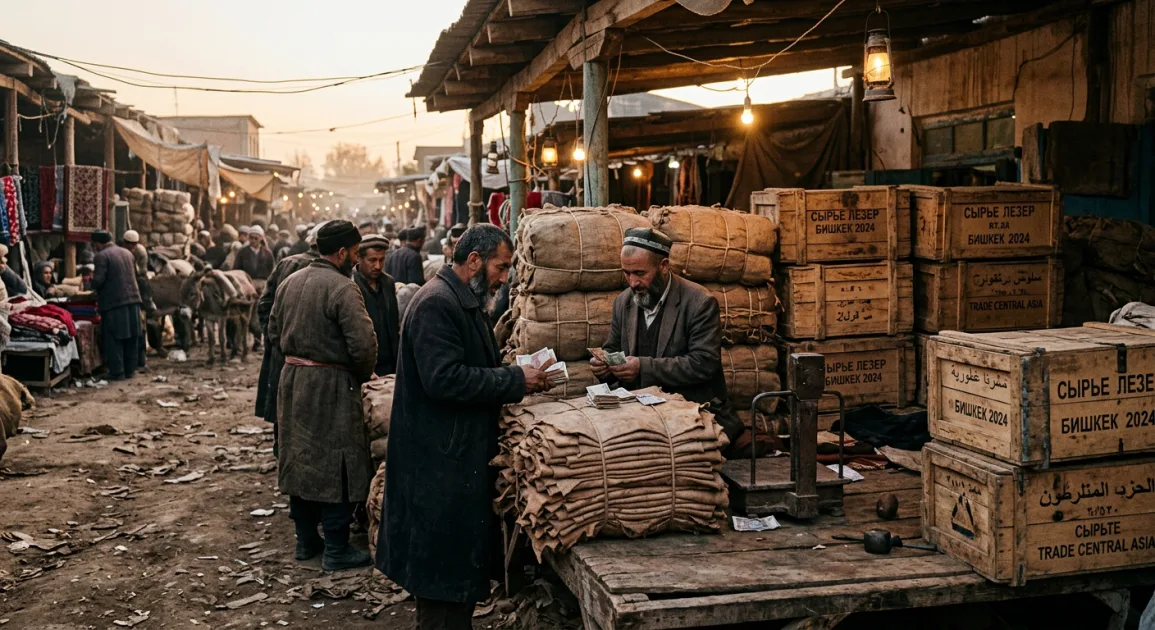
Iran, Russia, and Belarus have quietly expanded barter-style trade deals using agricultural commodities — including goat and sheep leather — to bypass SWIFT restrictions. These goods move through third-party brokers in Turkey, UAE, and Kazakhstan without triggering financial red flags.
Leather is untracked, undervalued on customs forms, and globally in demand. Shoe manufacturers in Italy and Vietnam often don't ask where the hide comes from — only whether the grade and price are right.
📰 Next Article
Thai Lottery Winner Sued by IRS — Federal Court Case 2025
Thai Lottery Winner Sued by IRS — Federal Court Case 2025
A United States federal court is currently hearing a landmark tax evasion case involving an American expat who won a significant Thai Government Lottery prize and failed to report the foreign income to the Internal Revenue Service. The case, filed in 2025, is being closely watched by tax attorneys and international finance experts across the country. The outcome could set a major legal precedent for how the IRS pursues unreported foreign lottery income from American expats worldwide.
The expat, a US citizen who had been living in Bangkok for several years, won a substantial prize through the official Thai Government Lottery Office. Instead of reporting the winnings on his federal tax return, he transferred the funds through a series of overseas accounts in an attempt to conceal the income ...
This isn't a new trick. Afghanistan used gemstones. North Korea uses coal through ship-to-ship transfers at sea. But the leather channel is growing fast because it's legal on paper — nobody has sanctioned goat skin.
Small trading firms in Tbilisi and Almaty are registering record volumes of "agricultural export" paperwork. Western compliance officers rarely flag animal hides. It slips through because it looks ordinary.
The money that returns isn't cash — it's machinery parts, electronic components, and chemicals. All legal. All useful for industries the sanctioning countries were trying to shut down.
Intelligence agencies are aware. But stopping it means pressuring neutral countries — Georgia, Kazakhstan, Armenia — whose economies depend on being the middleman. That's a political cost Western governments aren't willing to pay right now.
So while headlines focus on oil and gas sanctions, billions in value are quietly moving through tanneries, border checkpoints, and cold storage warehouses — one hide at a time.
The sanctions are real. The holes in them are just as real — and they smell like a livestock market.